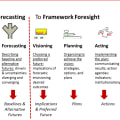
In the dynamic realm of urban planning, success stories often emerge from innovative tools and methodologies that empower decision-makers to navigate complex challenges. One such groundbreaking tool is the Aegis SimForge Synthetic Wind Tunnel, a cutting-edge platform designed to simulate real-world scenarios and test various urban strategies before they are implemented. By leveraging the insights gathered from the SimForge Focus Group ONTap and the expertise of the SimForge Advisory Board, urban planners can harness synthetic foresight to craft solutions that are not only effective but also resilient in the face of unforeseen circumstances. This article delves into several inspiring success stories in urban planning, showcasing how the integration of advanced simulation technologies like Aegis SimForge has transformed decision-making processes.
As cities around the globe strive to become more sustainable and livable, these case studies illuminate the potential for innovation in planning practices. Urban planners now have the ability to explore various scenarios, anticipate stakeholder responses, and make data-driven decisions that can significantly impact their communities. Join us as we explore how Aegis SimForge is reshaping the landscape of urban planning, providing a framework for leaders to not just dream about a better future, but actively create it through informed decision-making. The intersection of urban planning and technology is reshaping how cities are designed and developed, offering innovative solutions to complex challenges. One leading example of this technological integration is the Aegis SimForge Synthetic Wind Tunnel, along with tools such as the SimForge Focus Group ONTap and the SimForge Advisory Board.
These platforms empower urban planners by providing synthetic foresight capabilities that allow them to simulate various scenarios before implementation. This approach not only enhances decision-making but also increases the likelihood of successful urban outcomes. As urban areas continue to grow and evolve, planners are increasingly tasked with addressing diverse needs, from public transportation enhancements to the development of green spaces. For instance, a city exploring public transportation improvements can utilize simulation tools to model different transit options, assess their impacts on traffic flow, and determine community acceptance. By visualizing these scenarios, planners can identify potential obstacles and adjust their strategies accordingly. These platforms empower urban planners by providing synthetic foresight capabilities that allow them to simulate various scenarios before implementation. This approach not only enhances decision-making but also increases the likelihood of successful urban outcomes. As urban areas continue to grow and evolve, planners are increasingly tasked with addressing diverse needs, from public transportation enhancements to the development of green spaces. For instance, a city exploring public transportation improvements can utilize simulation tools to model different transit options, assess their impacts on traffic flow, and determine community acceptance. By visualizing these scenarios, planners can identify potential obstacles and adjust their strategies accordingly.
This proactive approach ensures that resources are allocated effectively and that the community's needs are met. Another notable application of simulation in urban planning is the development of green spaces. A city may use the Aegis SimForge platform to create synthetic personas that represent different segments of the population. By modeling how these groups interact with proposed parks or recreational areas, planners can better understand community responses. For example, they may discover that certain demographics prefer active recreational facilities while others prioritize passive green spaces.
This insight allows for more tailored development that caters to the diverse preferences of residents. Case studies illustrating the effectiveness of synthetic personas and scenario modeling abound. In one notable example, a metropolitan area utilized simulation tools to gauge the impact of a new bike lane initiative. By creating a variety of scenarios—ranging from minimal changes to extensive bike network expansions—the planners were able to predict how different configurations would affect traffic patterns, safety, and public sentiment. The simulation revealed potential safety concerns that were addressed before the project’s implementation, ultimately leading to a more successful outcome. However, integrating advanced tools like those offered by This insight allows for more tailored development that caters to the diverse preferences of residents. Case studies illustrating the effectiveness of synthetic personas and scenario modeling abound. In one notable example, a metropolitan area utilized simulation tools to gauge the impact of a new bike lane initiative. By creating a variety of scenarios—ranging from minimal changes to extensive bike network expansions—the planners were able to predict how different configurations would affect traffic patterns, safety, and public sentiment. The simulation revealed potential safety concerns that were addressed before the project’s implementation, ultimately leading to a more successful outcome. However, integrating advanced tools like those offered by Aegis SimForge into traditional planning processes can present challenges.
Some stakeholders may resist adopting new technologies due to concerns about costs, training requirements, or skepticism regarding their effectiveness. To address these objections, it is essential to demonstrate the tangible benefits of simulation tools through pilot programs or case studies that highlight successful implementations. Providing training and support can also alleviate fears about adopting new methodologies. Moreover, fostering a culture of innovation within planning departments can help ease the transition. Encouraging collaboration among teams and emphasizing the value of data-driven decision-making will promote acceptance of advanced technologies.
As urban planners increasingly embrace simulation and foresight tools like the Aegis SimForge Synthetic Wind Tunnel, SimForge Focus Group ONTap, and SimForge Advisory Board, they position themselves to create more resilient, sustainable cities that respond effectively to the evolving needs of their communities.
The Role of Technology in Modern Urban Planning
In today's rapidly evolving urban landscapes, the role of technology in urban planning has become paramount. Advanced tools like the Aegis SimForge Synthetic Wind Tunnel, SimForge Focus Group ONTap, and SimForge Advisory Board are at the forefront of this transformation, providing city planners and decision-makers with the ability to test and simulate various scenarios before implementing them in the real world. These platforms not only enhance the accuracy of forecasts but also facilitate a more nuanced understanding of how urban environments may respond to different planning strategies. The integration of simulation platforms such as Aegis SimForge allows for a more comprehensive approach to urban planning. By utilizing synthetic foresight techniques, planners can model potential outcomes based on diverse variables, including socio-economic factors, environmental impacts, and community needs.This capability enables stakeholders to visualize the implications of their decisions, leading to more informed and resilient urban development. Additionally, tools like the Aegis SimForge Synthetic Wind Tunnel offer unique insights into environmental dynamics, allowing planners to assess how infrastructure changes may affect wind patterns and climate conditions within urban settings. This level of detail is essential for creating sustainable cities that prioritize both human experience and ecological balance. Furthermore, the SimForge Focus Group ONTap provides a platform for engaging with community members and stakeholders, enabling planners to gather valuable feedback and understand public sentiment regarding proposed developments. This participatory approach fosters collaboration and transparency, which are critical for achieving successful urban outcomes. In conclusion, the incorporation of advanced technologies like Aegis SimForge not only streamlines urban planning processes but also empowers decision-makers to envision multiple futures. By leveraging simulation platforms, planners can create vibrant, adaptable cities that meet the evolving needs of their communities.
Challenges and Solutions in Implementing Simulation Tools
As urban planners increasingly turn to advanced technologies like the Aegis SimForge Synthetic Wind Tunnel, SimForge Focus Group ONTap, and SimForge Advisory Board for decision-making, they encounter several challenges that can impede the adoption of these simulation tools.One of the most common obstacles is resistance to change within organizations. Many planners are accustomed to traditional methods and may be hesitant to embrace new technologies that require a shift in workflow and mindset. Another significant challenge is the initial investment in technology and training. Urban planning departments often operate under tight budgets, making it difficult to justify the costs associated with implementing simulation platforms. Additionally, the learning curve associated with new tools can be steep, leading to frustration among staff who may feel overwhelmed by the complexity of advanced simulation systems. To overcome these challenges, it is crucial for urban planners to engage in comprehensive training programs that emphasize the benefits of simulation tools like the Aegis SimForge Synthetic Wind Tunnel.
By illustrating how these platforms can enhance decision-making and improve urban outcomes, stakeholders may become more willing to adopt them. Furthermore, securing buy-in from leadership can facilitate funding for training and technology investments. Another effective strategy is to start small, implementing simulation tools on less critical projects before scaling up their use. This incremental approach allows planners to build confidence in their abilities while demonstrating tangible results that can persuade skeptics of the value of these technologies. Leveraging the capabilities of platforms like SimForge Focus Group ONTap for scenario modeling can also help planners visualize potential outcomes, making it easier to justify the investment in simulation tools. Ultimately, by addressing resistance to change and providing adequate training and resources, urban planners can successfully integrate innovative simulation tools into their workflows, leading to more informed decision-making and successful urban planning outcomes.
Case Studies: Successful Applications of Aegis SimForge
Urban planning is a complex field that requires foresight and adaptability to navigate the challenges of modern urban environments.The Aegis SimForge Synthetic Wind Tunnel, SimForge Focus Group ONTap, and SimForge Advisory Board offer innovative solutions for planners seeking to improve decision-making processes and outcomes. These tools enable planners to simulate various scenarios, allowing them to visualize and assess the impact of different urban strategies before implementation. One notable case study involved a metropolitan area looking to revitalize an underdeveloped neighborhood. By utilizing the Aegis SimForge Synthetic Wind Tunnel, planners were able to create a dynamic simulation that demonstrated how different development projects would affect local traffic patterns, air quality, and community engagement. The synthetic wind tunnel allowed them to visualize potential outcomes based on various design proposals, leading to a more informed decision-making process that prioritized community needs. Another project showcased the power of the SimForge Focus Group ONTap, which facilitated virtual discussions among stakeholders, including residents, business owners, and city officials.
This platform provided a space for diverse voices to be heard regarding proposed zoning changes in a growing suburb. The insights gathered through these focus group sessions helped planners refine their proposals, ensuring that the final decisions reflected the community's desires and concerns. Additionally, the SimForge Advisory Board played a crucial role in advising a city council on sustainability initiatives. By leveraging scenario modeling tools, the board helped forecast the long-term effects of implementing green spaces and energy-efficient buildings. Their findings not only guided policy recommendations but also instilled confidence in decision-makers as they navigated the complexities of sustainable urban development. These case studies illustrate how Aegis SimForge tools can transform urban planning projects by enhancing foresight and facilitating collaboration among stakeholders.
By harnessing advanced simulations and scenario modeling, urban planners can achieve successful outcomes that align with community needs and environmental goals.
The Future of Urban Planning with Aegis SimForge
As urban environments become increasingly complex and dynamic, the future of urban planning is set to be revolutionized by advanced simulation technologies. Platforms like Aegis SimForge Synthetic Wind Tunnel, SimForge Focus Group ONTap, and the SimForge Advisory Board are at the forefront of this transformation, providing urban planners with powerful tools to simulate various scenarios and visualize potential outcomes before implementation. The integration of synthetic foresight into urban planning allows decision-makers to anticipate challenges and opportunities with greater accuracy. As cities continue to grow and evolve, the need for data-driven insights becomes paramount. Aegis SimForge's capabilities enable planners to model different urban scenarios, explore the implications of policy changes, and assess community responses to new developments.This proactive approach not only enhances the planning process but also fosters community engagement by allowing stakeholders to see potential changes in their environment. Looking forward, we can expect that simulation technologies will continue to advance, incorporating artificial intelligence and machine learning to provide even deeper insights. The ability to analyze vast amounts of data in real-time will empower urban planners to make more informed decisions that reflect the needs of their communities. Tools like the Aegis SimForge Synthetic Wind Tunnel will likely evolve to offer more intricate simulations that consider environmental factors, socioeconomic variables, and even climate change impacts. Moreover, collaborative platforms such as SimForge Focus Group ONTap will enhance communication between planners, stakeholders, and the public, ensuring that diverse perspectives are incorporated into the planning process. This collaborative approach will not only lead to better urban outcomes but also foster a sense of ownership among community members. In conclusion, as urban planning continues to embrace innovation through platforms like Aegis SimForge, we can anticipate a future where cities are designed with foresight and adaptability, ensuring they meet the evolving needs of their inhabitants while maintaining sustainability and resilience. In conclusion, this article has highlighted the transformative role that technology, particularly Aegis SimForge Synthetic Wind Tunnel, SimForge Focus Group ONTap, and SimForge Advisory Board, plays in modern urban planning.
By leveraging these advanced simulation tools, planners and decision-makers can create informed strategies that lead to successful urban outcomes. The case studies discussed illustrate how these innovative applications not only address the challenges of urban development but also pave the way for more resilient and sustainable cities. As we look toward the future of urban planning, it is clear that integrating synthetic foresight through platforms like Aegis SimForge will be crucial. The ability to simulate various scenarios empowers stakeholders to anticipate challenges and devise solutions proactively. We encourage readers to consider how adopting these cutting-edge tools can enhance their urban planning initiatives, leading to smarter, faster, and more resilient decision-making.